

Advanced Endoscopic Procedures
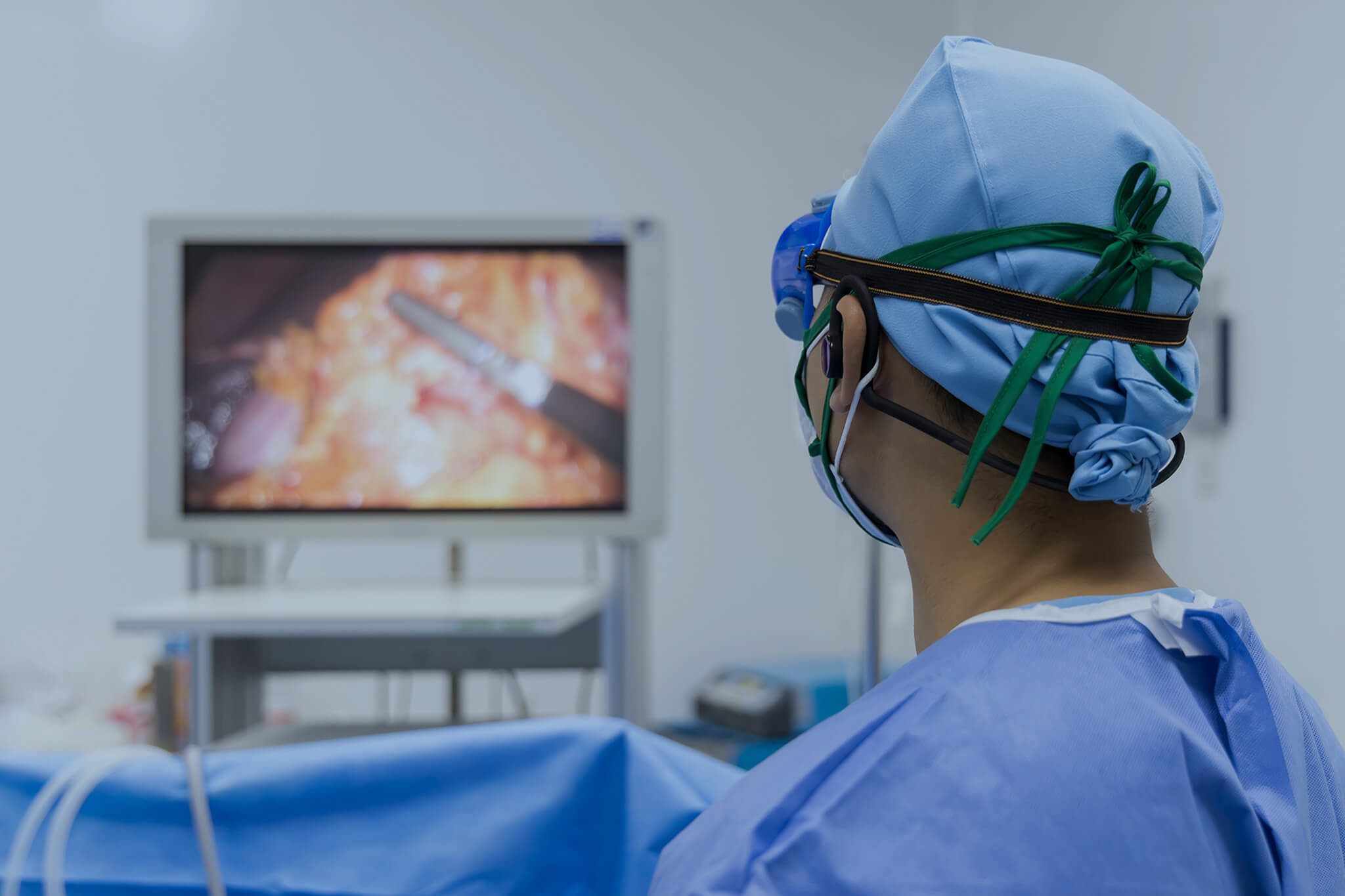
Endoscopic procedures are minimally invasive techniques used to diagnose and treat conditions of the digestive tract with high precision. These procedures allow gastroenterologists to examine the esophagus, stomach, intestines, and bile ducts using specialized cameras and instruments.
At Prime Plus Skin & Gastro Clinic, we provide modern endoscopic diagnostic and therapeutic procedures to identify digestive disorders early and deliver accurate treatment.
- Advanced diagnostic endoscopy
- Minimally invasive procedures
- High-precision digestive tract examination
- Early detection of gastrointestinal diseases
Endoscopic Procedures We Offer
Upper GI Endoscopy
Upper GI endoscopy is a procedure used to examine the esophagus, stomach, and upper part of the small intestine. It helps diagnose conditions such as acid reflux, ulcers, gastritis, bleeding, and early cancer detection.
Colonoscopy
Colonoscopy allows the doctor to examine the entire colon and rectum using a flexible camera. It is commonly used to detect colon polyps, inflammatory bowel disease, bleeding, and colorectal cancer.
Capsule Endoscopy
Capsule endoscopy uses a small swallowable capsule containing a camera that captures images of the digestive tract as it passes through the intestines. This technique helps detect bleeding, inflammation, and small intestine disorders.
ERCP (Endoscopic Retrograde Cholangiopancreatography)
ERCP is a specialized procedure used to diagnose and treat problems in the bile ducts, pancreas, and gallbladder. It is often used to remove bile duct stones, treat blockages, and manage pancreatic disorders.
Why Endoscopic Procedures Are Important
Endoscopic procedures allow doctors to diagnose digestive disorders at an early stage without the need for major surgery. They provide detailed visualization of the digestive tract and help detect abnormalities such as ulcers, polyps, inflammation, bleeding, and tumors.
- Early detection of digestive diseases
- Accurate diagnosis of gastrointestinal conditions
- Minimally invasive procedures
- Faster recovery compared to surgery
- Precise treatment of digestive tract problems
When Is Endoscopy Recommended?
Doctors may recommend endoscopy if you experience persistent digestive symptoms or when imaging tests suggest abnormalities in the gastrointestinal tract.
- Persistent acidity or GERD
- Difficulty swallowing
- Chronic abdominal pain
- Blood in stool or vomiting
- Unexplained weight loss
- Suspected ulcers or tumors
Meet Your Gastroenterology Specialist

Dr. Mayur Satai
Dr. Mayur Satai is an experienced gastroenterologist specializing in advanced diagnostic and therapeutic endoscopic procedures. He provides comprehensive care for digestive diseases, liver disorders, and gastrointestinal conditions using modern endoscopic technology.
With a patient-focused approach and advanced training in gastroenterology, Dr. Satai ensures accurate diagnosis and safe minimally invasive treatment for digestive health conditions.
View Doctor ProfileFrequently Asked Questions
Is endoscopy painful?
Endoscopy is usually painless. Mild sedation is often given to ensure comfort during the procedure.
How long does an endoscopy procedure take?
Most diagnostic endoscopy procedures take around 15–30 minutes depending on the type of examination.
Is colonoscopy used for cancer detection?
Yes. Colonoscopy is one of the most effective procedures for early detection of colon cancer and precancerous polyps.
What is capsule endoscopy used for?
Capsule endoscopy is mainly used to examine the small intestine, especially when standard endoscopy or colonoscopy cannot identify the cause of symptoms.
Book an Endoscopy Consultation
If you are experiencing digestive symptoms or need diagnostic evaluation, consult our gastroenterology specialist for advanced endoscopic procedures.
Book Appointment